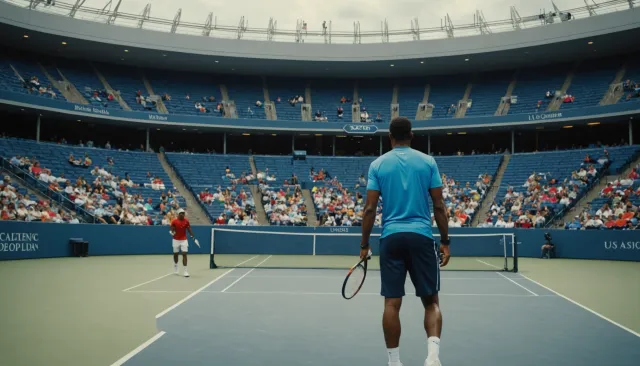

The opening FIFA World Cup 2026 group stage encounter between Saudi Arabia and Uruguay takes place at Miami Stadium, and for fans across dozens of countries, access to live coverage has never been more varied - spanning free public television, state digital platforms, and subscription streaming services. For Uruguayan viewers in particular, the event carries national significance: this is La Celeste's first appearance in the competition's group stage, and public institutions have ensured the broadest possible access to the broadcast.
Uruguay's Public Infrastructure Steps Forward
Canal 5, Uruguay's national public broadcaster, will carry the event live and free-to-air - meaning no subscription, no paywall, and no additional hardware required for the vast majority of Uruguayan households. Alongside it, Antel TV, the digital streaming platform operated by the state telecommunications provider, extends that free access to viewers who prefer to watch via internet-connected devices. This dual approach reflects a broader public broadcasting philosophy: events of national cultural importance should not be locked behind commercial barriers.
For those who want premium coverage across all fixtures in the competition, DirecTV Sports and its associated streaming application DGO provide comprehensive pay-TV access throughout Uruguay. This layered model - combining free-to-air and subscription options - has become a standard framework in Latin America, where media regulators and public broadcasters have long negotiated to retain rights for events deemed of significant national interest.
beIN SPORTS Anchors Coverage Across the Middle East and North Africa
In Saudi Arabia and across the broader MENA region, beIN SPORTS functions as the exclusive rights holder for the competition. Live coverage will air across beIN SPORTS MAX channels, with concurrent streaming available via the beIN CONNECT application. The network's regional exclusivity reflects its decade-long strategy of acquiring high-value sports media rights across a geography that encompasses over twenty countries, serving audiences in Arabic, English, and French simultaneously.
The MENA rights model differs structurally from Latin America's, where free-to-air obligations are frequently mandated or negotiated by governments. In much of the Middle East, premium sports broadcasting has consolidated almost entirely within pay-TV ecosystems, with beIN operating as the dominant infrastructure for live international events.
A Fragmented Global Rights Map Reflects Deeper Media Trends
The worldwide broadcast landscape for this competition underscores how radically media distribution has fragmented. In Europe, public broadcasters retain significant ground: France's M6, Germany's ZDF, Italy's RAI 1, Romania's Antena 1, and Ireland's RTÉ all carry coverage free-to-air. In contrast, markets such as Japan and Portugal have moved toward single-platform digital distribution via DAZN and Sport TV respectively.
In Latin America, the pattern is notably consistent: free-to-air national broadcasters - Telefe in Argentina, Globo in Brazil, Caracol TV in Colombia, Teleamazonas in Ecuador, Teletica in Costa Rica - share the signal with DirecTV and streaming platforms like Paramount+ and Disney+. This reflects both regulatory protection of free access and the commercial appetite of global streaming services expanding their live programming libraries.
- Australia: SBS and SBS On Demand provide free coverage nationwide
- Canada: TSN+ and CTV distribute across French and English audiences
- New Zealand: TVNZ 1 and TVNZ+ carry coverage free-to-air
- Brazil: Globo and SBT lead free access; CazéTV extends digital reach
- Mexico: Canal 5 Televisa and Azteca 7 serve free-to-air viewers nationwide
The pattern that emerges globally is one of negotiated coexistence: streaming platforms and pay services absorb full tournament rights, while domestic regulators and public broadcasters carve out free-to-air obligations for individual fixtures deemed nationally significant. Uruguay's arrangement - with Canal 5 and Antel TV operating alongside DGO - is a working example of that balance in action.